
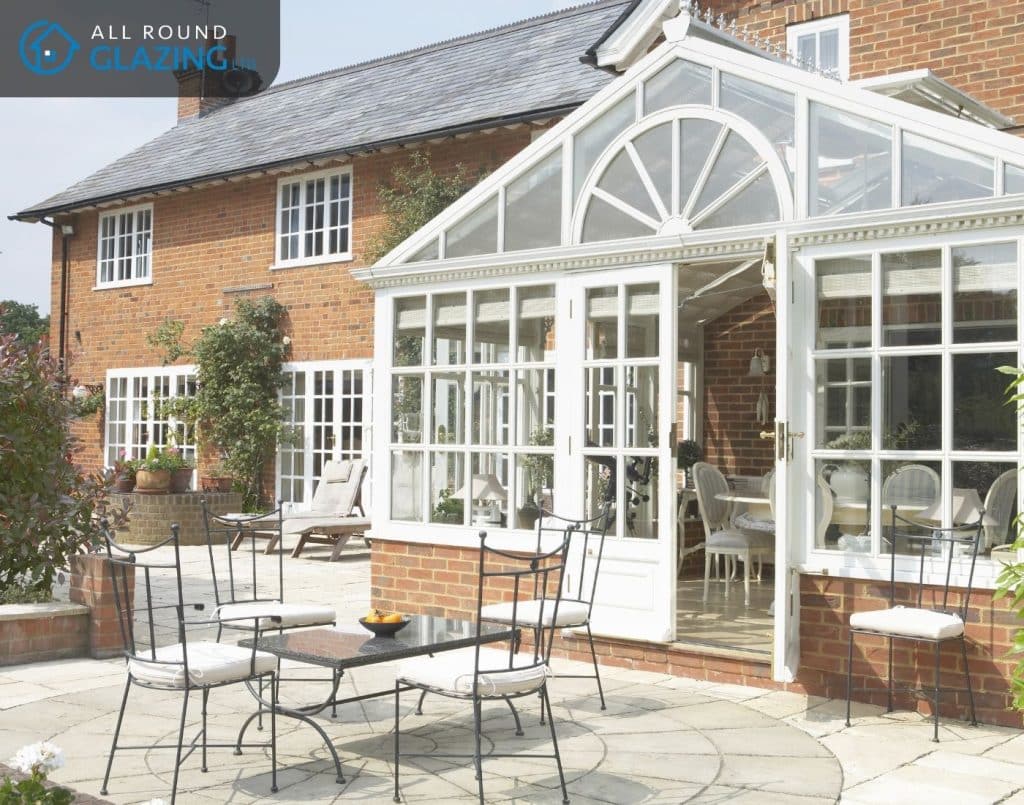
Understanding Conservatory Energy Efficiency
Why Conservatories Lose Heat Faster Than Cavity Walls
Conservatories are delightful extensions of our homes. However, an essential aspect to consider is their energy efficiency. Interestingly, conservatories can lose heat up to eight times faster through double glazing than cavity walls. This significant disparity arises primarily due to the inherent properties of the materials used. Double glazing consists of two glass panes with an air gap, providing some insulation but not as effectively as the solid structure and insulative properties of cavity walls.
Cavity walls are designed with a hollow space between two brick walls, which significantly reduces heat transfer. This makes them far superior in thermal performance compared to even the best double glazing solutions. Therefore, the importance of addressing energy inefficiencies in conservatories cannot be overstated.
Key Areas of Heat Loss
Roof
The roof is the most notorious culprit for heat loss in conservatories. Around 80% of heat escapes through the roof mainly because many conservatories still use polycarbonate roofs, which have poor thermal efficiency. Upgrading to a solid insulated roof can dramatically reduce this.
Windows
While double glazing does reduce heat loss compared to single glazing, it still allows significant heat transfer. Windows account for a considerable portion of heat loss, and older installations can be particularly inefficient. Upgrading to A-rated or triple-pane windows can make a substantial difference in thermal performance.
Floor
The floor is another area where heat can escape, albeit to a lesser extent than the roof or windows. A poorly insulated floor can contribute to uncomfortable conditions and increased energy bills. Installing proper insulation or underfloor heating can help retain heat within the conservatory space.
Benefits of Improving Energy Efficiency
Reduced Bills
One immediate benefit of enhancing your conservatory’s energy efficiency is the reduction in energy bills. By minimising heat loss, you require less energy to maintain a comfortable temperature, leading to significant savings over time.
Increased Comfort
Energy-efficient upgrades make your conservatory more comfortable to use all year round. Solid roofs, floor insulation, and high-performance glazing contribute to maintaining pleasant temperatures, making the space enjoyable even in extreme weather conditions.
Lower Carbon Emissions
Improving energy efficiency doesn’t just benefit you; it also benefits the environment. Reduced energy consumption means fewer carbon emissions, contributing to a smaller carbon footprint. This is crucial in our collective effort to combat climate change and air pollution.

Upgrading Your Conservatory Roof
Upgrading your conservatory roof is a critical step in enhancing its energy efficiency. Considering that a significant amount of heat—up to 80%—is lost through the roof, taking measures to improve this area is essential. Let’s dive into the various aspects of upgrading your conservatory roof to make it more efficient.
Solid Insulated Roof Options for Maximum Efficiency
One of the most effective ways to increase your conservatory’s energy efficiency is by replacing the existing roof with a solid, insulated one. Solid roofs, such as those made from composite tiles, offer superior thermal performance compared to traditional glass or polycarbonate structures. These roofs are designed to retain heat during the winter and reflect it in summer, keeping your conservatory comfortable throughout the year.
Opting for materials like fibre glass or foam boards can provide excellent insulation. Fibreglass is cost-effective and easy to install, while foam boards offer high insulating values and moisture resistance. Spray foam insulation is another robust option that expands upon application, filling gaps and providing a seamless barrier against heat transfer.
Importance of Roof Insulation
Roof insulation is paramount because it is the primary area of heat loss in your conservatory. Without proper insulation, heat easily escapes through the roof, making the space inefficient and uncomfortable. When you insulate the roof, you create a barrier that prevents warm air from escaping in winter and keeps your conservatory cooler in summer.
The science behind roof insulation involves reducing heat transfer through conduction, convection, and radiation. Proper insulation materials can effectively block all three types of heat transfer, maintaining a stable indoor temperature and enhancing overall comfort.
Benefits of Roof Upgrades
Upgrading your conservatory roof brings numerous benefits that go beyond just improving energy efficiency.
Temperature Regulation Year-Round
A well-insulated roof regulates temperature effectively, making the conservatory usable throughout the year. During the winter, it retains warmth, reducing the need for additional heating. Conversely, in the summer, it reflects heat away, keeping the space cool and comfortable. This consistent temperature control can transform your conservatory into a versatile, year-round living space.
Reduced Condensation
Condensation can be a significant issue in conservatories, leading to dampness, mould, and structural problems. Insulating the roof helps manage moisture levels, reducing the risk of condensation. Materials such as fibreglass insulation are particularly effective in maintaining a consistent temperature, thereby minimising the condensation risk.
Enhanced Comfort and Lower Bills
One of the immediate benefits of a solid conservatory roof is the increased comfort it brings. With improved thermal performance, your conservatory becomes a pleasant and usable space all year round. You’ll no longer need to rely heavily on electric heaters or air conditioning, leading to significant savings on energy bills.
Noise Reduction
Solid roofs also provide better noise insulation compared to glass or polycarbonate roofs. This means your conservatory will be quieter, shielding you from external noise and making the space more peaceful and enjoyable.
Increased Property Value
Investing in a solid, insulated roof can also add value to your property. Potential buyers view well-insulated conservatories as a valuable asset, knowing they can enjoy the space without hefty heating and cooling costs. This can make your home more attractive on the market and even lead to a higher selling price.
With these compelling benefits, upgrading your conservatory roof is clearly a wise investment. It not only enhances the comfort and usability of the space but also contributes to lower energy bills and adds value to your property.

Optimizing Window Performance
A-Rated Glazing and Triple-Pane Window Benefits
When it comes to making your conservatory more energy efficient, the type of glazing you use for the windows can make a substantial difference. A-Rated windows, particularly A+ rated units, offer superior thermal performance compared to standard double-glazed options. These windows minimise heat loss, meaning that any warmth generated inside your conservatory stays where it’s needed—inside! This reduces the need for additional heating, helping to lower your energy bills. With A+-rated windows, you’ll be letting in more heat from the outside than you lose, providing a comfortable and warm space for less money.
Triple-pane windows take energy efficiency even further. They add an extra layer of glass along with additional gas-filled spaces that serve as thermal barriers. This means triple-pane windows not only help in keeping your conservatory warmer during the winter but cooler in the summer as well. Triple-pane windows can reduce heat loss by an impressive amount—up to 20% more efficient than double-pane units—and can make your space much more comfortable and quieter.
Low-E Coating Options
Low-E, or low-emissivity, coatings are a fantastic way to improve the energy performance of your windows. These coatings are designed to reduce the amount of infrared and ultraviolet light that comes through the glass without compromising the amount of visible light that passes through. What this means for you is reduced heat loss in the winter and lowered heat gain in the summer. Low-E coatings are incredibly effective, keeping your conservatory warm by reflecting interior heat back inside during the colder months and repelling outside heat during the hotter months.
One of the most significant benefits of Low-E glass is that it helps in reducing the amount of energy your heating and cooling systems need to maintain a comfortable indoor temperature. In some cases, Low-E coated windows can reduce energy costs by blocking up to 70% of solar heat gain, making your conservatory a more pleasant, efficient space year-round.
Solar Control Film as a Cost-Effective Solution
For those looking for a more budget-friendly method to boost their conservatory’s energy efficiency, solar control film is an excellent alternative. These films are applied directly to your existing windows and work by blocking a significant portion of the sun’s harmful ultraviolet rays and infrared light. This minimises the amount of heat entering the conservatory, making it cooler in the summer and reducing the reliance on air conditioning.
Solar control film can reject up to 97% of infrared light, significantly decreasing the need for constant cooling. Moreover, it blocks around 99.9% of UV rays, protecting your furniture and interior fabrics from fading while also helping to maintain a consistent indoor temperature.
So, by upgrading to A-rated or triple-pane windows, adding Low-E coatings, or applying solar control film, you can enhance your conservatory’s comfort and energy efficiency significantly. These measures collectively contribute to reduced energy costs and a more sustainable household.

Floor Insulation Solutions
When it comes to improving the energy efficiency of your conservatory, one of the primary areas to focus on is the floor. Proper floor insulation plays a critical role in heat retention, which can significantly enhance your conservatory’s comfort during colder months. In this chapter, we will explore various underfloor heating options, the best flooring materials for maintaining energy efficiency, and the importance of ensuring your floor is well insulated.
Underfloor Heating Options
Underfloor heating is an excellent way to ensure even heat distribution throughout your conservatory. There are two main types of systems to consider: electric underfloor heating and water-based (wet) underfloor heating.
Electric Underfloor Heating
Electric underfloor heating systems use electric cables or mats installed beneath the floor surface. They are quick to heat up and provide even heat distribution, making them ideal for smaller areas or specific zones within your home. However, they can be more expensive to run in larger spaces and may require additional insulation to maximize efficiency.
Benefits:
- Even heat distribution
- More design freedom as no radiators are required
- Quicker heat-up times
Disadvantages:
- Higher running costs for larger spaces
- May require extra insulation for optimal performance
Water-Based Underfloor Heating
Water-based underfloor heating systems involve embedding pipes within the floor structure, which are then connected to a boiler or heat pump. This type of system takes longer to reach the desired temperature but retains heat for a longer period, making it more cost-effective in the long run.
Benefits:
- More powerful heat output
- Cost-effective for long-term use
- Retains heat well after the system is turned off
Disadvantages:
- Longer heat-up times
- Requires professional installation
- Higher upfront costs
For those considering underfloor heating, it’s essential to weigh the pros and cons of each system and choose the one that best fits your needs.
Best Flooring Materials for Energy Efficiency
Selecting the right flooring material is also crucial for energy efficiency. Some materials are better at conducting and retaining heat than others.
Tiles and Natural Stone
Tiles and stone flooring are excellent conductors of heat, making them ideal for use with underfloor heating systems. They can rapidly transfer heat from the system to the room, providing an efficient and consistent temperature.
Laminate Flooring
Laminate is a cost-effective option that also works well with underfloor heating. It provides good heat conductivity and is available in various styles and finishes, allowing for a choice that complements your conservatory’s design.
Importance of Proper Floor Insulation
Proper floor insulation is vital to prevent heat loss and ensure your underfloor heating system operates efficiently. Insulation acts as a barrier that keeps heat from escaping through the ground, directing it upwards into the room instead.
Benefits of Floor Insulation:
- Enhanced Energy Efficiency: High-quality insulation can significantly reduce heat loss, lowering energy consumption and, consequently, your heating bills.
- Improved Heating Performance: Insulation helps maintain your desired temperature more consistently by improving the heat-up times of your underfloor heating system.
- Greater Comfort: With less heat escaping through the floor, your conservatory remains warm and comfortable, even during colder weather.
Investing in effective floor insulation alongside your underfloor heating system can lead to noticeable improvements in both comfort and energy savings.
Understanding the various flooring insulation solutions and selecting the appropriate materials will help you create a more energy-efficient conservatory. This approach reduces heat loss and improves overall comfort.
Now that your conservatory floor is well insulated, let’s explore additional measures to enhance the energy efficiency of your conservatory.

Additional Insulation Measures
Thermal Blinds and Window Coverings
When it comes to conservatories, thermal efficiency can be enhanced significantly by choosing the right blinds. One of the best options for this purpose is cellular shades, also known as honeycomb blinds. These shades contain unique honeycomb pockets that trap air, creating a thermal barrier between the window and the room, which helps keep the conservatory warm during winter and cool during summer.
Cellular blinds are incredibly versatile and can be adjusted from the bottom up or top down, providing excellent control over light and privacy while improving insulation by up to 40%. They help reduce unwanted heat gain by as much as 60% during the cooling season, significantly lowering the total solar gain through the windows.
Ventilation Strategies for Temperature Control
Proper ventilation is crucial for maintaining a comfortable temperature in your conservatory and preventing condensation build-up. The key is to allow enough air flow to keep the atmosphere fresh without letting heat escape unnecessarily.
One practical strategy is to use windows and roof vents that can be controlled manually or automatically. Ceiling fans can also aid ventilation by circulating air more effectively, while extractor fans are ideal for removing damp air from the conservatory, particularly in high-moisture areas like the kitchen or bathroom.
If you’re looking for long-term efficiency, consider installing energy-saving heat recovery extractor fans. These devices extract stale air while recovering up to 80% of the heat, which is then used to warm the incoming fresh air.
Draught-Proofing Techniques
Draught-proofing is one of the simplest yet most effective ways to enhance the energy efficiency of your conservatory. Here are some techniques to consider:
- Draught Strips: Apply self-adhesive foam strips around windows and door frames to seal gaps. For more durability, consider metal or plastic strips with attached brushes or wipers. Make sure the strips are the right size to fill the gaps properly but not obstruct the window or door closing fully.
- Keyhole Covers and Letterbox Flaps: Purchase keyhole covers to block draughts coming through from the keyhole, and install letterbox flaps or brushes to prevent cold air from entering through the letterbox.
- Bottom Door Seals: Use brush or hinged flap draught excluders to seal gaps at the bottom of doors. This can significantly block draughts and save on heating costs.
- Chimney Draught Excluders: If your conservatory connects to a chimney, ensure it is draught-proofed. Use chimney draught excluders or fit a cap over the chimney pot to prevent air from escaping through this route.
- Floorboards and Skirting Boards: Seal any cracks in the floorboards and gaps between skirting boards using flexible filler, decorator’s caulk, or mastic-type products. These fillers accommodate movement and prevent small gaps from contributing to draughts.
By implementing these additional insulation measures, you can drastically enhance the energy efficiency of your conservatory, making it a comfortable living space all year round.

Energy-Efficient Heating Solutions
When it comes to making your conservatory more energy-efficient, choosing the right heating solution is critical. Let’s explore the options and benefits of electric radiators versus traditional central heating, energy-efficient lighting, and smart temperature control systems.
Electric Radiators vs Traditional Central Heating
One of the most crucial decisions is choosing between electric radiators and traditional central heating systems powered by gas.
Electric Radiators
Electric radiators can be highly efficient, with every joule of energy converted directly into heat. They are perfect for spaces that need to be heated separately, such as a conservatory. Benefits include:
- Zone Heating Capabilities: You can heat only the rooms you are using. This is particularly helpful if your conservatory is an occasional-use space.
- Installation Flexibility: They are easy to install compared to gas systems which require extensive pipework.
- Efficiency: Electric radiators are 100% efficient at the point of use. This can lead to lower running costs as there is no energy lost in transit through pipework.
However, there are drawbacks to consider. Electric radiators can be expensive to run if not managed properly. They tend to heat up slower and may result in higher energy bills if used excessively.
Traditional Central Heating
On the other hand, traditional central heating systems are less efficient since some energy is lost as the hot water travels through the network of pipes. This results in efficiency rates between 80%-90%.
- Widespread Coverage: These systems heat the entire house, making it a more consistent solution for multi-room heating.
- Long-Term Cost: Gas generally costs less per unit of energy than electricity, potentially providing savings on fuel costs over time.
However, with a central heating system, you either heat the entire house or none, making it less flexible for just using the conservatory intermittently.
Energy-Efficient Lighting Options
Lighting is another area where you can significantly cut energy usage. The best option for lighting your conservatory is LED bulbs.
- Efficiency: LEDs use up to 90% less energy than traditional incandescent bulbs and can last up to 25 times longer.
- Cost-Effective: LEDs are cheaper to run long-term. For example, running a 10W LED bulb for 24 hours costs approximately $0.036, much lower than running an incandescent bulb.
Smart Temperature Control Systems
Finally, integrating smart temperature controls can enhance the overall efficiency and comfort of your conservatory.
- Smart Thermostats: These devices learn your schedule and preferences, adjusting heating and cooling cycles accordingly. They can reduce heating and cooling bills by about 20%.
- Remote Access: You can control your conservatory’s temperature from your smartphone, ensuring you only heat it when needed.
Smart systems go beyond just thermostats. Automated systems that control both lighting and heating based on occupancy or time of day can significantly reduce unnecessary energy use.
By carefully selecting and combining these energy-efficient heating solutions, you can ensure that your conservatory is not just a beautiful addition to your home, but also a highly functional and efficient one. Intelligent heating systems and smart controls provide the flexibility and efficiency needed to keep your conservatory comfortable year-round.


