
Understanding Old Window Glazing
Brief History of Window Glazing in UK Homes
Window glazing has evolved significantly in UK homes over the decades. In the 1970s, single glazing was the standard in most properties, consisting of single glass panes held within wooden frames. This type of glazing was simple, affordable, and relatively easy to install. However, single glazing offered minimal insulation from external temperatures and often led to increased heat loss.
As energy efficiency became a priority, double glazing emerged in the 1980s, featuring two glass panes separated by a layer of air or gas, which provided better thermal insulation. The late 20th century saw the advent of slim double glazing, which aimed to combine the benefits of double glazing with the aesthetic requirements of period properties.
More recently, vacuum cavity glazing has appeared, replacing the air or gas layer with a vacuum that further enhances insulation properties while maintaining a slim profile. This evolution reflects the growing awareness of energy efficiency and the need to balance modern performance with the preservation of architectural character.
Importance of Proper Glazing
Proper window glazing is essential for several reasons. Firstly, it plays a crucial role in preserving the integrity of the window structure. Glazing acts as a seal that protects the window frame and interior from weather elements, preventing moisture infiltration and damage.
Secondly, energy efficiency is significantly impacted by the quality of glazing. Effective glazing reduces heat transfer, keeping homes warmer in winter and cooler in summer. This not only enhances comfort but also reduces energy consumption and utility bills. Modern glazing can significantly cut heating costs and contribute to a building’s overall energy performance.
Types of Glazing Methods
Single Glazing
Single glazing is the traditional method of placing a single pane of glass within a window frame. While it is cost-effective and maintains the historical aesthetic of older properties, it offers poor insulation and is prone to condensation and draughts.
Double Glazing
Double glazing consists of two glass panes separated by an air or gas-filled space, which improves thermal performance. This method reduces heat loss, minimises drafts, and enhances sound insulation, making it a popular choice for modern homes.
Slim Double Glazing
Slim double glazing offers the benefits of double glazing but in a slimmer profile, making it suitable for historical and listed buildings where traditional aesthetics must be maintained. It involves using thinner panes and a narrower cavity, providing improved insulation without altering the appearance of existing windows dramatically.
Vacuum Cavity Glazing
Vacuum cavity glazing is an advanced method that replaces the air or gas in the cavity with a vacuum. This approach drastically improves insulation properties while maintaining a thin profile, making it ideal for both new and historic buildings. It provides superior thermal and acoustic performance due to the lack of heat conduction in a vacuum.
Understanding these methods and their evolution helps homeowners make informed decisions about window restoration and energy efficiency improvements. With various options available, it is possible to enhance the performance of windows while preserving the character of period properties.
Common Signs of Glazing Deterioration

Visual Indicators of Failing Window Glazing
Identifying the early signs of glazing deterioration can help you address issues promptly. Some common visual indicators include:
- Cracks and Gaps: Inspect your window frames for visible cracks or gaps. These can develop in both the glass and the frame due to age or physical damage. Cracks in the glass weaken its structural integrity and can lead to enhanced thermal conductivity, reducing energy efficiency.
- Moisture Infiltration: Moisture inside the glazing panes is a clear sign of a seal failure. This often results in a foggy or dirty appearance of the glass that cannot be cleaned from the outside or inside.
- Condensation: If you notice condensation or water droplets between the panes, it indicates that the insulating layer between the panes has been compromised.
Impact of Age on Glazing Performance and Energy Efficiency
The performance of window glazing deteriorates over time, impacting both energy efficiency and overall comfort:
- Weakened Seals: The seals holding double or triple pane windows together degrade with age. Once the seals fail, inert gas escapes and moisture enters, leading to foggy windows and reduced insulation.
- Energy Loss: Older windows (typically those over 15-20 years) often have weakened seals and gaps that lead to higher levels of heat transfer. This means increased energy consumption as heating and cooling systems work harder to maintain indoor temperatures.
Assessing the Condition of Your Window Glazing
Regular assessment is crucial for maintaining window efficiency and performance. Here are steps to help you gauge your window glazing’s condition:
- Inspect for Drafts: Walk around the house and check for drafts. A noticeable draft around the window edges suggests that the seals might be failing.
- Examine for Condensation: Look for condensation between panes. While external condensation may be due to external weather, internal condensation is indicative of glazing issues.
- Check for Cracks and Gaps: Using visual and tactile inspections, identify any cracks or gaps in either the glazing compound or the frame.
- Use an Infrared Thermometer: Measure the temperature of the window glass on cold days. Significant differences in temperature suggest poor insulation.
When you identify any of these signs, it’s time to consider repairs or replacements to ensure your windows perform optimally. Proactive measures can extend the lifespan of your windows and keep energy bills in check.
Problem 1: Failing Seals and Drafts
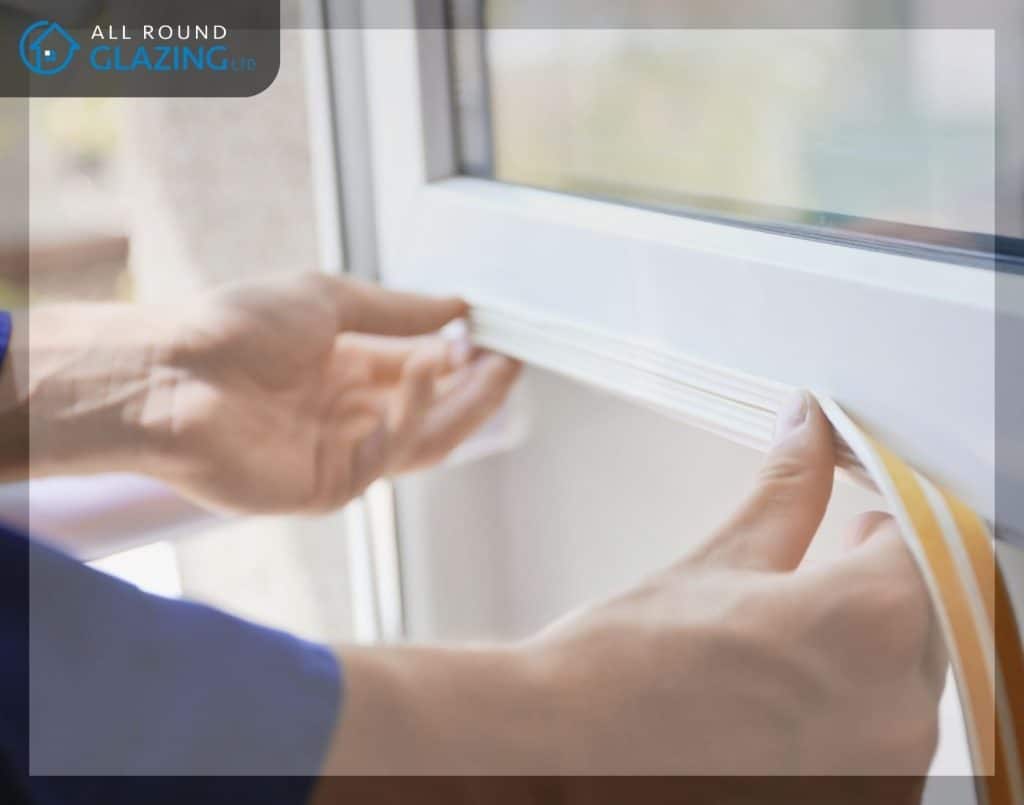
Identifying Seal Failures and Their Impact on Window Performance
Identification of failing window seals is crucial in maintaining window efficiency. Common indicators of seal failures include foggy windows, noticeable drafts, and irregular temperatures around the window. Additionally, windows that are difficult to open or close and visible gaps or cracks around the edges can also suggest that seals have deteriorated.
Seal failures significantly reduce the efficiency of windows in maintaining proper insulation, leading to higher energy consumption and costs. Proper seals are essential for minimising air leaks, which can cause heat loss in winter and cooling loss in summer. Without good seals, your home can become less comfortable and more costly to heat or cool.
Cost Implications of Poor Sealing
The cost implications of poor sealing can be substantial. For professional window seal repairs, homeowners can expect to pay around £40-£50 per window. This cost includes materials and labour, potentially making the repair of multiple windows a significant expense. However, efficient seals can greatly reduce heating and cooling costs, making the investment worthwhile in the long run.
DIY Solutions for Minor Seal Issues
For homeowners tackling minor seal issues, there are several DIY solutions available:
- Weather Stripping: This is an effective way to seal gaps around windows. Apply new adhesive foam weather-stripping by first removing the old, damaged material, cleaning the area, and then applying the new strip.
- Caulking: Use a caulking gun to fill in any gaps around the window frame. Both interior and exterior caulking are recommended to avoid drafts and moisture problems. Silicone or siliconised acrylic caulk are both suitable options due to their flexibility and durability.
Properly addressing window seal issues can improve the comfort of your home and lead to significant energy savings. Regular inspection and timely repairs of window seals are essential in maintaining efficient window performance.
Problem 2: Condensation and Moisture Issues

Understanding Why Condensation Forms Between Glazing Panes
Condensation on windows occurs when warm, moist air comes into contact with a cooler surface, such as window glass. This process is natural and is typically seen in the form of water droplets on the surface of the glass. In double-glazed windows, condensation between the panes suggests that the seal has failed, allowing moist air to infiltrate the cavity between the panes.
Impact of Moisture on Window Frames and Surrounding Structures
When condensation is persistent, it can lead to more serious issues. Moisture can seep into window frames and surrounding structures, causing wood rot, peeling paint, and even mould growth. These problems compromise the structural integrity of the window and can lead to costly repairs.
Preventing and Addressing Condensation Problems in Older Windows
Preventing condensation is preferable to addressing it after it has occurred. Here are several effective strategies:
- Improve Ventilation: Use extractor fans in areas with high humidity, such as kitchens and bathrooms. Opening windows periodically also helps reduce moisture levels indoors.
- Use Dehumidifiers: Dehumidifiers can lower indoor humidity levels, reducing the likelihood of condensation forming on windows.
- Insulation: Ensuring that windows are properly insulated helps maintain a consistent indoor temperature, preventing condensation.
If condensation is already present, addressing the root cause is essential. For example, in the case of double-glazed windows, professional services can remove and replace the air between panes to eliminate the problem.
By understanding the causes and impacts of condensation, homeowners can take proactive steps to maintain their windows and preserve the overall integrity of their property. Addressing condensation promptly helps ensure energy efficiency and prevents long-term damage.
Problem 3: Energy Efficiency Concerns

Comparison of U-Values
Windows are a crucial element in determining the thermal efficiency of a building. U-value, a measure of the rate of heat loss through a material, is a standard parameter for assessing window efficiency. Lower U-values indicate better insulation. Traditional single-glazed windows typically have U-values around 5.8 W/m²K, considerably higher than the modern standard.
For older double-glazed windows installed around the 1970s, U-values are approximately 2.8 W/m²K. In contrast, contemporary double-glazed units with Low-e glass and argon gas fill boast U-values as low as 1.2 W/m²K. This significant difference highlights how much more efficient modern windows are at preventing heat loss.
Environmental Impact and Energy Costs
Inefficient windows have a discernible impact on energy consumption and environmental footprint. Higher U-values mean greater heat loss, leading to increased energy use for heating in the winter and cooling in the summer. This not only inflates utility bills but also exacerbates demand on energy resources, increasing carbon emissions.
Buildings with inefficient windows may consume up to 30% more energy for heating and cooling, contributing to elevated energy costs and a higher carbon footprint.
Improving Thermal Performance
Upgrading old windows is pivotal for improving thermal performance. Here are some strategies:
- Secondary Glazing: Adding a second layer of glazing to existing windows can significantly reduce U-values, enhance insulation, and preserve the historic appearance.
- Insulation Films: Applying low-emissivity (low-e) films to existing windows helps reflect heat back inside during winter and reduces heat gain in the summer without altering the window’s appearance.
- Weatherstripping and Caulking: Simple yet effective, these measures can seal gaps and cracks that contribute to air leakage, improving energy efficiency.
Implementing these solutions can markedly enhance the energy performance of heritage buildings without compromising their historical aesthetics.
Maintaining old windows while improving efficiency involves a delicate balance. Utilising advanced technologies and careful preservation techniques is pivotal for enhancing thermal performance, ensuring both sustainability and historic integrity are upheld.
Problem 4: Deteriorating Putty and Glazing Compounds

Signs of Putty Failure and its Impact on Window Integrity
Putty plays a vital role in maintaining the integrity of window glazing. However, over time it can deteriorate due to exposure to the elements and general wear and tear. Recognising signs of putty failure is essential for timely repairs. Typical indicators include:
- Cracks and gaps: These can let in moisture, leading to potential water damage and energy inefficiencies.
- Chips or falling out: Visible pieces of putty breaking away from the frame.
- Separation from glass or frame: This creates exposure points for drafts and moisture.
Failing putty can result in rattling panes, which further affects the window’s efficiency and structure.
Proper Techniques for Removing Old Putty without Damaging the Glass
Removing old putty is a delicate task that, if not done correctly, can result in cracked or broken glass. Here are some effective techniques:
- Softening the putty: Use a hairdryer, heat gun, or a wallpaper steamer to heat the putty. The warmth makes it more pliable and easier to work with.
- Using a putty knife: Dip the putty knife in mineral turpentine to soften the putty further, improving the handling during removal.
- Infrared heat: An infrared heater can also soften putty efficiently, reducing the risk of window damage.
Guidelines for Applying and Maintaining New Glazing Compounds
Once the old putty has been removed, proper application of new glazing compounds ensures longevity and effectiveness. Follow these guidelines:
- Choosing the right compound: Select a high-quality glazing compound that suits your window type and climatic conditions. Options like Sarco Type-M or Allback Linseed Oil Putty are popular amongst professionals for their durability and ease of use.
- Application: Roll the putty into thin ropes, press into the frame rabbet, and smooth it with a putty knife to form a clean, beveled edge.
- Curing and painting: Allow the putty to cure properly before painting. Most putties need a curing period of around two weeks, although some may take longer, depending on the product and conditions. Paint the putty with an oil-based or water-based undercoat to protect against weathering and extend its life.
Regular inspection and maintenance of glazing compounds are crucial in preventing major damage and ensuring energy efficiency and window integrity. Proper application and timely upkeep of these compounds extend the life of your windows significantly.
Problem 5: Historical Preservation Requirements

Understanding UK Regulations for Modifying Historic Windows
When dealing with historic properties, it is crucial to understand the specific regulations governing window modifications. In the United Kingdom, many older homes are listed on the National Heritage List for England or located within conservation areas. These designations impose strict guidelines to preserve the architectural integrity and historical significance of the property. Work on such windows often requires obtaining consents from local authorities, ensuring that any changes do not compromise the property’s character.
Balancing Preservation Requirements with Modern Performance Needs
Balancing the need for historical preservation with modern performance is a critical challenge. While maintaining the authentic appearance of historic windows is essential, improving energy efficiency is a growing necessity due to contemporary environmental standards. There are various strategies to achieve this balance:
- Secondary glazing: Installing a secondary glazing panel on the interior can enhance thermal performance without altering the external appearance.
- Slim double glazing: Utilising slim double glazing units mimics the traditional single pane while providing better insulation.
- Draft proofing: Adding weather stripping or draught excluders can significantly reduce air leakage while respecting the window’s historic fabric.
Approved Methods for Upgrading Heritage Windows
To upgrade heritage windows while adhering to preservation requirements, approved methods must be employed. These methods ensure compliance with regulations and the enhancement of window performance while maintaining historical accuracy. Some of these methods include:
- Selective glazing repair and replacement: Replacing only the damaged or deteriorated sections of the window rather than the entire unit.
- Using authentic materials: Employing traditional materials and techniques to preserve the original appearance and function of the window.
- Advanced glazing technologies: Utilising modern advancements such as low-emissivity (Low-E) glass that offers improved insulation without compromising transparency or appearance.
Devotion to these guidelines and techniques helps to maintain the delicate balance between preserving the past and embracing the future. Successful restoration and performance improvement of heritage windows underscore a respectful yet innovative approach to conservation.
Problem 6: Glass Damage and Replacement

Glass damage in older windows can present unique challenges, both in terms of preservation and performance. Assessing whether the glass can be repaired or requires replacement is a crucial first step in this process.
Assessing Glass Condition
To determine whether window glass can be saved or needs replacement, several factors should be considered:
- Cracks and Breaks: Small cracks and chips may be repairable, while larger breaks typically require full replacement.
- Distortion and Haze: Glass that is significantly distorted or has internal haze might compromise both aesthetics and function, indicating replacement is necessary.
- Efficiency: Older single-pane glass may no longer meet energy efficiency standards. Upgrading to a more efficient glazing method can be beneficial.
Matching Historical Glass Characteristics
When replacing glass in heritage windows, it is essential to match the original appearance as closely as possible:
- Types of Historical Glass: Options include wavy glass for earlier periods, drawn glass for 19th and early 20th-century homes, and float glass for mid-to-late 20th-century buildings.
- Source Considerations: Salvage yards and specialised suppliers often carry authentic or reproduction glass that maintains the historical character.
Professional vs DIY Glass Replacement
Choosing between professional and DIY glass replacement depends on the complexity of the job and the desired outcome:
- DIY Replacement:
- Best for straightforward, single-pane glass replacements.
- Essential tools include a glazing knife, putty, glazier points, and proper safety equipment.
- Consider budget constraints and skill level for more challenging projects.
- Professional Replacement:
- Necessary for custom or bespoke glass matching, double glazing upgrades, and compliance with preservation guidelines.
- Professionals can provide high-quality finishes without compromising the structural integrity of the window.
Regularly addressing and maintaining window glazing is crucial for both performance and aesthetic appeal. This proactive approach ensures the longevity and historical integrity of the windows.
By consistently evaluating and maintaining the health of your window glazing, you can prevent long-term damage and preserve the historical charm of your home.
Problem 7: Maintenance and Long-term Care

Essential Maintenance Schedule for Glazed Windows
Regular maintenance of glazed windows is crucial to preserve their functionality and maintain energy efficiency. Implementing a consistent maintenance schedule can extend the lifespan of your windows significantly. Here is a comprehensive schedule to follow:
- Quarterly Checks:
- Inspect for signs of wear and damage, paying special attention to seals and weatherstripping. Look for cracks, gaps, or peeling.
- Test the functionality of all moving parts, including hinges and locks, ensuring smooth operation.
- Clear drainage channels to prevent water buildup and ensure proper water flow.
- Bi-annual Cleaning:
- Clean windows inside and out using a mild detergent and a soft cloth to prevent scratches and remove dirt and grime. Avoid harsh chemicals that could damage the glass or frame materials.
- Clean frames with warm soapy water and a soft brush, avoiding abrasive cleaners, especially for wooden or UPVC frames.
- Annual Inspection:
- Schedule a professional inspection to identify any minor issues that may require attention. Professionals can provide a thorough assessment and necessary repairs, especially for difficult-to-reach areas.
- Seasonal Preparation:
- In winter, inspect seals and apply insulating films to enhance energy efficiency. Consider adding heavy curtains or thermal blinds.
- In spring, conduct a comprehensive cleaning to remove any debris accumulated during winter and inspect for damage caused by weather conditions.
Preventive Measures to Extend Glazing Lifespan
Implementing preventive measures can further extend the lifespan of your glazed windows:
- Regular Lubrication:
- Apply a silicone-based lubricant to moving parts to ensure they operate smoothly and are free from dust and debris. Avoid oil-based lubricants as they can attract grime.
- Seal Integrity:
- Regularly check and maintain the integrity of seals and weatherstripping. Damaged or worn seals should be replaced promptly to avoid moisture infiltration and energy loss.
- Condensation Control:
- Prevent condensation by ensuring proper ventilation inside your home. Use dehumidifiers and exhaust fans in moisture-prone areas like bathrooms and kitchens to reduce indoor humidity.
- For double-glazed windows, check for condensation between panes, which indicates seal failure that may require professional repair.
- Frame Protection:
- For wooden frames, sand and repaint or varnish regularly to protect against rot and peeling. Inspect for insect damage and treat as necessary.
- Avoid oil-based cleaners for UPVC frames to prevent discolouration.
Professional Maintenance Costs versus DIY Approaches
The decision between professional maintenance and DIY approaches depends on the complexity and scope of the maintenance work needed. Here are the cost considerations:
- DIY Approaches:
- Minor maintenance tasks such as cleaning, lubricating moving parts, and replacing weatherstripping can be handled by homeowners with basic tools and materials. This approach is cost-effective for routine upkeep, provided you have the necessary skills and time.
- DIY seal replacement or caulking is also achievable and affordable, typically costing around £25 to £35 per window.
- Professional Services:
- For major repairs, such as fixing seal failures, replacing cracked glass, or addressing significant condensation issues, professional intervention is recommended.
- The cost for professional window repair services ranges between £25 and £60 per hour, depending on window size and accessibility.
- Complex tasks, such as reglazing windows, can cost between £200 to £500 per window but offer long-term savings in terms of enhanced efficiency and performance.
Maintaining your window glazing diligently ensures that your windows retain their functionality, efficiency, and aesthetic appeal, making regular inspections and timely repairs an integral part of home maintenance. Proper care can save significant costs in the long run while preserving the historical and architectural integrity of your property.
Solutions and Modern Alternatives

Overview of Contemporary Glazing Solutions
When addressing the challenges of restoring or upgrading old window glazing, contemporary solutions offer a multitude of benefits that cater to both preservation and modern performance needs. Secondary glazing is one of the most effective approaches for period properties. This method involves adding a discreet secondary frame and glazing to the existing window, thereby significantly reducing heat loss, increasing acoustic insulation, and enhancing security.
Another contemporary solution entails the use of custom glass restoration techniques, such as protective overlays. These overlays provide a layer of protection without altering the original glass, thus maintaining the window’s historical integrity while improving its durability.
Cost-Benefit Analysis of Restoration Approaches
When considering different restoration approaches, balancing costs and benefits is crucial:
- Secondary Glazing:
- Cost: Typically higher due to the custom fitting required.
- Benefit: Significant improvement in energy efficiency and noise reduction, without altering the original window structure. This method reduces heat loss through the window by up to 63%.
- Protective Overlays:
- Cost: Moderate, depending on the complexity and quality of the overlay materials.
- Benefit: Protects the original glass from environmental damage while offering additional security. Maintains the aesthetic value of historic windows.
- Storm Windows:
- Cost: Affordable, generally less than custom secondary glazing.
- Benefit: Provides an additional insulating layer, improving energy efficiency. Easy to install and remove as needed.
Practical Steps for Implementing Improvements
Implementing modern window improvements while maintaining historical character involves several practical steps:
- Assessment and Planning:
- Evaluate the condition of your current windows to determine the appropriate restoration approach.
- Consult with a conservation officer or specialist if your property is listed or in a conservation area.
- Choosing Appropriate Solutions:
- Select solutions that balance both energy efficiency and preservation needs. For example, secondary glazing for improving insulation while retaining original frames.
- Consider the use of weather stripping and insulated shades as temporary measures.
- Professional Installation:
- Engage experienced professionals for the installation of complex glazing solutions like secondary or vacuum cavity glazing. Their expertise ensures that historical details are preserved.
- Maintenance and Upkeep:
- Regularly inspect and maintain any new installations to ensure longevity. This includes cleaning, lubrication of moving parts, and checking for any signs of wear or damage.
By carefully selecting and integrating contemporary glazing solutions, property owners can achieve a harmonious blend of historical authenticity and modern comfort. Implementing these steps ensures that the unique character of period properties is preserved while enhancing their performance and efficiency.


