
What Are Casement Windows?
Casement windows are one of the most popular window styles in the UK, valued for their functionality, aesthetic appeal, and versatility. Their distinctive side-hinged design and outward-opening mechanism make them a practical and stylish choice for both traditional and modern homes. This guide explores the definition, features, benefits, and potential drawbacks of casement windows, helping UK homeowners make informed decisions about incorporating them into their properties.
Definition
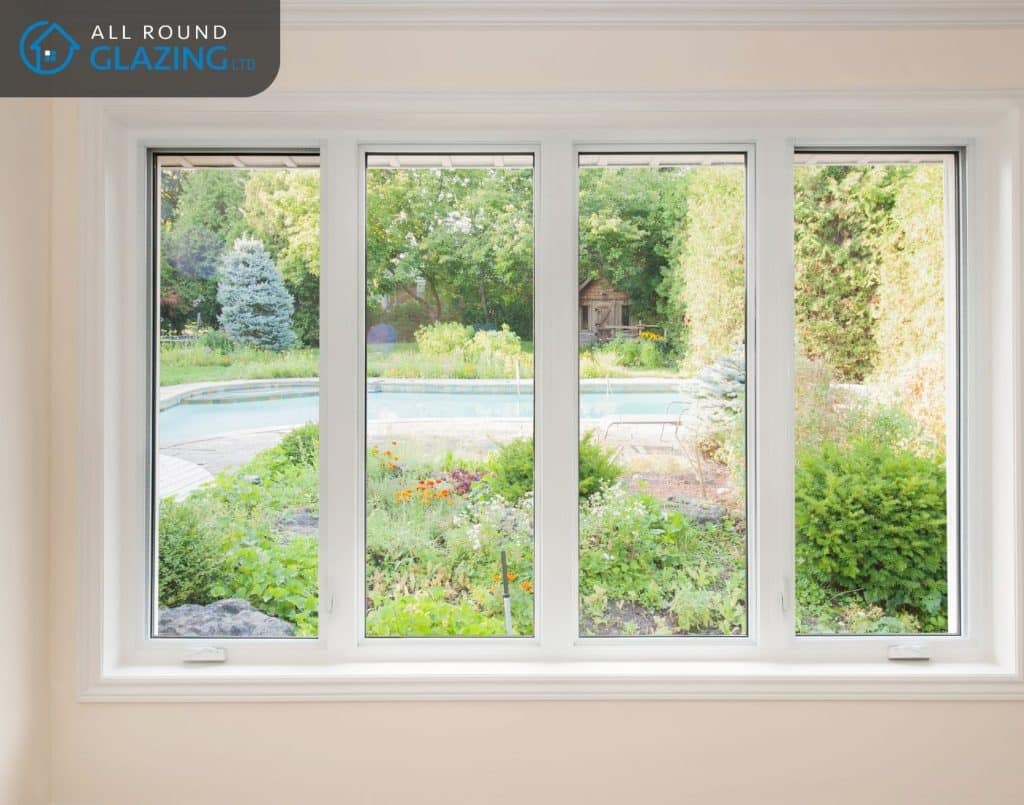
A casement window is a type of window hinged at the side, allowing it to swing outward like a door. These windows can be hinged on the left or right side, offering a full and unobstructed opening. Typically installed individually or in pairs, casement windows are widely recognised for their functionality and sleek design, making them a practical and aesthetic addition to UK homes.
Operation Mechanism
Casement windows are operated using a cranking handle mechanism or, in some cases, a push-open latch. The handle is turned to open the window outward or to close it tightly against the frame. This mechanism ensures smooth operation, even in hard-to-reach areas such as above kitchen sinks or in bathrooms.
- Precise Ventilation Control: The cranking system allows you to adjust the opening width, providing flexibility for either a small breeze or maximum airflow.
- Secure Closure: The crank pulls the sash tightly into the frame, creating a strong seal that prevents drafts and improves energy efficiency.
Key Features and Design
1. Side-Hinged Construction Allowing Full Opening
The defining characteristic of casement windows is their side-hinged design, enabling a full outward swing. This feature allows for maximum ventilation, as the entire window can open, unlike sliding or fixed windows.
- Ideal for spaces that require effective airflow, such as kitchens, bathrooms, and utility rooms.
- Facilitates quick and efficient air exchange, especially in warm or humid environments.
2. Cranking Mechanism for User-Friendly Operation
The cranking handle mechanism is a hallmark of casement windows, making them easy to operate:
- Effortless Use: Turning the handle requires minimal strength, making these windows accessible for all age groups.
- Convenience: Particularly useful for hard-to-reach areas, such as over countertops or in attic spaces.
3. Unobstructed Views and Natural Light
Casement windows typically feature a single-pane glass design, offering:
- Clear Views: Unlike double-hung or sash windows, which have horizontal or vertical frames dividing the pane, casement windows provide uninterrupted views.
- Enhanced Natural Light: The large glass surface allows more sunlight to enter the room, brightening interiors and reducing the need for artificial lighting.
Ventilation and Energy Efficiency
Superior Ventilation
Casement windows are unmatched in their ability to maximise airflow:
- Full Opening Capability: These windows can open up to 90 degrees, directing fresh air into the home.
- Weather-Optimised Ventilation: When angled correctly, casement windows can catch breezes, even in areas with minimal wind.
Excellent Weather Sealing
When closed, casement windows provide superior weatherproofing:
- Multi-Point Locking System: The sash is pressed firmly against the frame, creating an airtight seal that prevents drafts and water leaks.
- Protection Against Elements: The tight seal is particularly advantageous in the UK’s rainy and windy climate, keeping homes dry and comfortable.
Energy Efficiency Benefits
Casement windows contribute significantly to energy efficiency:
- Lower U-Value: Casement windows typically have a lower U-value (a measure of heat transfer), making them highly effective at retaining warmth in winter and cooling in summer.
- Low-E Glass Options: Modern casement windows often incorporate low-emissivity glass, which reflects heat back into the home while allowing light to pass through.
- Reduced Energy Bills: The combination of weather sealing and insulating glass reduces reliance on heating and cooling systems, lowering utility costs.
Advantages for UK Homes
1. Easy Cleaning and Maintenance
Casement windows are designed for convenience:
- Full Access: The outward-opening mechanism allows you to clean both sides of the glass from inside the home, eliminating the need for ladders or professional cleaners.
- Low-Maintenance Materials: Modern casement windows are often constructed from uPVC, aluminium, or treated timber, which require minimal upkeep.
2. Versatility for Different Rooms
Casement windows are suitable for various spaces within a home:
- Kitchens and Bathrooms: Provide excellent ventilation to remove moisture, odours, and smoke.
- Living Rooms and Bedrooms: Enhance natural light and offer expansive views.
- Utility Spaces: Ensure proper airflow in areas prone to humidity, such as laundry rooms.
3. Compatibility with UK Architecture
Casement windows complement both traditional and modern UK homes:
- Traditional Homes: Wooden or timber-framed casement windows blend seamlessly with period properties, maintaining their historic charm.
- Modern Builds: Sleek aluminium or uPVC frames offer a minimalist aesthetic for contemporary homes.
Potential Drawbacks
1. Higher Cost Compared to Other Window Styles
Casement windows can be more expensive than alternatives like sash or sliding windows due to their mechanisms and superior weatherproofing features.
- Price Range: £465–£1,087 per window, depending on size, material, and glazing options.
2. Limited Size Options
Casement windows are best suited for moderate-sized openings:
- Max Dimensions: Approximately 8 feet wide and 6 feet high. Larger openings may require alternative window styles, such as fixed panes or sliding glass doors.
3. Hardware Maintenance and Security Risks
While casement windows are secure when properly maintained, the cranking mechanism and hinges require regular care:
- Rust or Wear: Neglected hardware can compromise the window’s functionality and security.
- Security Enhancements: Consider additional locks or impact-resistant glass for added peace of mind.
Comparison with Other UK Window Styles
How Casement Windows Differ
| Feature | Casement Windows | Sash/Double-Hung Windows |
| Opening Mechanism | Hinged, outward swing | Vertical sliding |
| Ventilation | Full top-to-bottom airflow | Partial (limited by sash position) |
| Weather Sealing | Tight seal with multi-point locking | Less effective at preventing drafts |
| Aesthetic Appeal | Unobstructed views and modern design | Traditional appearance |
Popularity in the UK Market
Casement windows dominate the UK market due to their versatility and performance:
- Market Share: Casement windows account for 58% of wooden window sales, compared to 27% for sash windows.
- Energy Efficiency: Their tight seals and modern glazing technologies make them a top choice for energy-conscious homeowners.

Conclusion
Casement windows are a versatile, energy-efficient, and visually appealing choice for UK homeowners. Their side-hinged design allows for excellent ventilation, unobstructed views, and easy maintenance, making them ideal for kitchens, bathrooms, and living spaces alike.
While they may come with a slightly higher price tag and size limitations, their long-term benefits—such as reduced energy costs and enhanced security—make them a worthwhile investment. Whether you’re renovating a traditional property or designing a modern home, casement windows can elevate your space with their functional and aesthetic advantages.
By considering factors like room placement, ventilation needs, and architectural style, you can confidently choose casement windows as a practical and stylish addition to your property.


